
Better Factory Solutions
8 June 2026
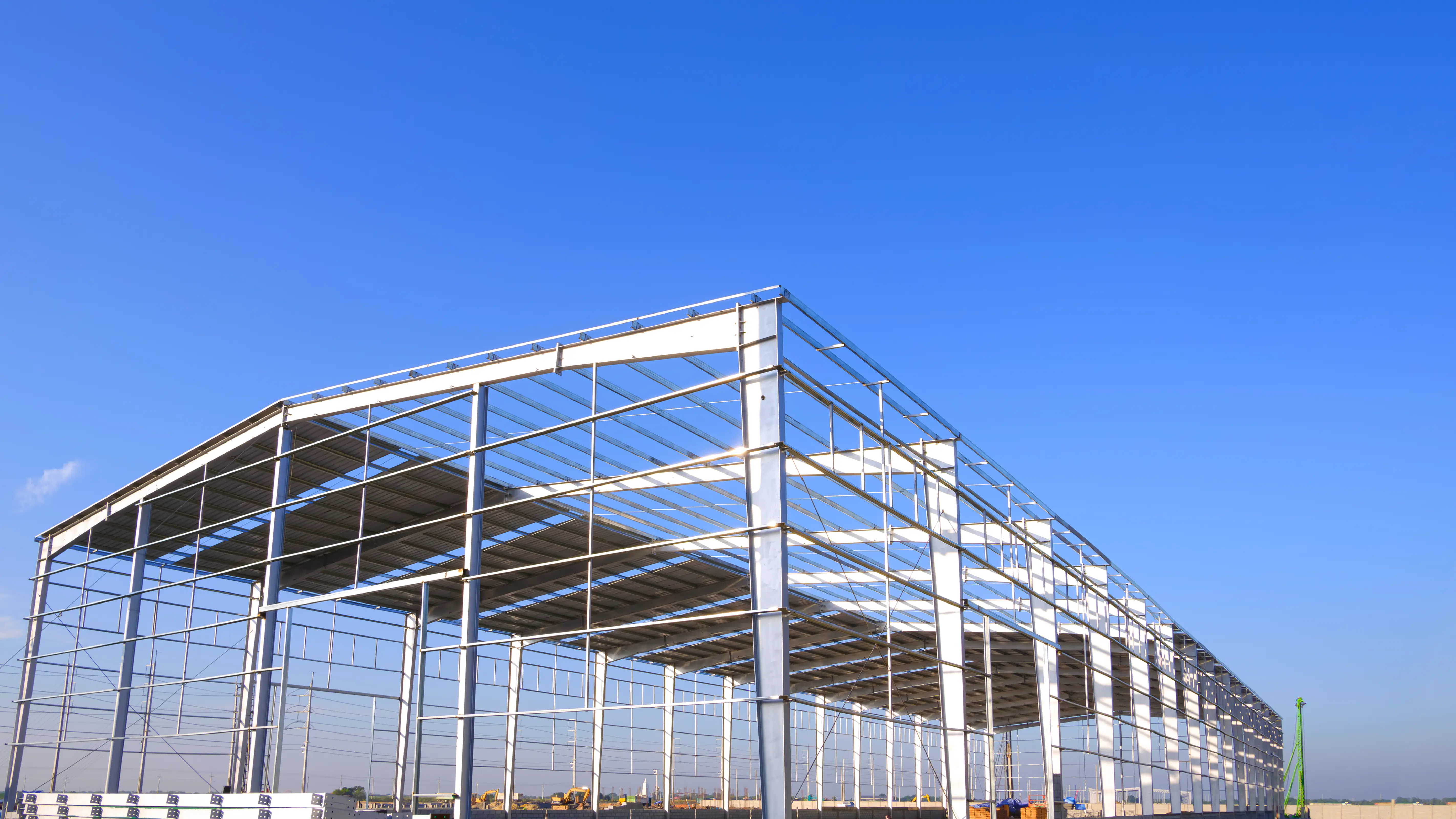

Building a new factory is not just a construction decision. It is a business decision that will affect production efficiency, material movement, worker comfort, expansion capacity, and long-term operating cost.
Many factory owners start by asking one common question: “What will be the construction cost?”
That question is important, but it should not be the first question.
Before comparing quotations from industrial shed manufacturers or finalizing a factory shed manufacturer, the priority should be understanding how the factory will actually function after construction. A PEB factory or prefabricated industrial shed should not simply provide covered space. It should support daily operations smoothly, allow future growth, and reduce the need for costly changes later.
This is why planning matters before a single column is erected.
Every factory has a different operational logic. A food processing unit, fabrication workshop, engineering facility, textile unit, packaging plant, or warehouse-connected manufacturing setup cannot follow the same shed design.
Some factories need open space for machinery movement. Some need better ventilation. Some need height for cranes or vertical storage. Some require easy access for loading and unloading vehicles. Others need future room for production expansion.
This is where many projects go wrong. Owners often finalize a factory shed size first and then try to adjust operations inside that space. The smarter approach is the opposite: first understand the process, then design the structure around it.
A well-planned manufacturing shed should support the business, not restrict it.
Once the factory’s purpose is clear, the next decision is choosing the right construction system. Traditional construction may work in some cases, but many modern factories now prefer PEB steel sheds, prefabricated industrial sheds, and prefab industrial sheds because they offer faster execution and better flexibility.
A PEB factory structure is designed and fabricated before it is delivered to the site. This reduces on-site delays and allows the building to be erected faster compared to many conventional methods.
For factory owners, this speed is not just a construction benefit. Faster completion means earlier machinery installation, earlier production trials, and quicker operational readiness.
This is one major reason why businesses searching for industrial shed manufacturers near me or in Ahmedabad are increasingly seeking PEB-based solutions rather than basic shed construction.
Shed height is one of the most underestimated decisions in factory construction.
A low-height shed may reduce initial cost, but it can create long-term operational problems. It may affect ventilation, machine installation, storage capacity, crane movement, and future expansion. In some cases, owners realize only after construction that the shed is not suitable for upgraded machinery or material handling systems.
A good industrial shed manufacturer in Ahmedabad will not suggest a random height. The height should depend on the factory process, machinery type, ventilation requirements, and future business plans.
If the business expects growth, the shed should be designed with that possibility in mind from day one.
A factory is a movement system. Raw material enters, moves through different production stages, gets processed, packed, stored, and dispatched. If the structure does not support this movement, daily operations become slower.
Many factory owners focus only on total square footage. But usable flow is more important than just size.
A properly planned factory shed should reduce unnecessary movement inside the building. Machine placement, worker movement, forklift routes, storage areas, inspection zones, and dispatch access should be considered before finalizing the shed layout.
This is especially important in industrial areas where land is limited, and every square foot must be used intelligently.
Good layout planning can improve productivity without increasing building size.
In Gujarat’s climate, ventilation plays a major role in factory performance. Poor airflow can make the working environment uncomfortable, increase heat inside the shed, affect worker productivity, and create operational challenges in heat-generating industries.
A properly designed industrial shade or factory shed should consider roof ventilation, side openings, airflow direction, insulation needs, and natural light. These elements may look small during planning, but they directly affect daily working conditions.
A factory should not feel like a closed box. It should be designed to support safe, comfortable, and efficient operations.
Roofing is one of the most important parts of any steel shed or PEB factory building. A poor roofing system can lead to leakage, heat issues, maintenance problems, and disruption during the monsoon.
Factory owners should not choose roofing only based on the lowest price. Roofing should be selected based on building use, weather exposure, slope, drainage, insulation, and durability.
In industrial buildings, roofing performance directly affects the reliability of the entire operation. A better roofing system may cost slightly more initially, but it can reduce maintenance and operational interruptions in the long run.
Many buyers search for the cost per square foot of industrial shed construction before starting a project. That is understandable, but cost per square foot alone does not give the full picture.
The actual cost of industrial shed construction depends on span, height, load requirement, roofing system, steel design, fabrication quality, site conditions, ventilation, cladding, and future expansion provisions.
Two sheds with the same area can have very different costs, depending on their usage.
A basic storage shed and a heavy-duty manufacturing shed cannot be priced the same way. A factory requiring crane support, higher height, or heavier structural loads will naturally need a different design and fabrication.
So instead of asking only “What is the cost per square foot?”, factory owners should ask, “Is this shed designed correctly for my operation?”
That question leads to better decisions.
Most factories grow over time. New machines are added, storage increases, production lines expand, and dispatch areas become busier.
If future expansion is not considered at the design stage, the factory may require expensive modifications later. In some cases, expansion becomes difficult because the original structure was not planned for it.
This is where prefab industrial sheds and PEB factory buildings offer a major advantage. They can be designed for future extension, additional bays, mezzanine options, and connected storage areas.
The best factory planning is not only about today’s requirements. It also protects tomorrow’s growth.
A factory shed is different from a normal building. It needs industrial understanding.
The right contractor should understand machinery loads, workflow movement, ventilation, roofing, fabrication accuracy, erection sequence, and future expansion. This is why choosing from experienced industrial shed manufacturers in Gujarat matters.
A reliable factory shed manufacturer should not simply provide a quotation and drawing. They should ask about your operation, industry type, machinery, storage, movement, and expansion plans.
If the contractor does not understand how your factory will operate, the structure may look complete but fail to support daily business efficiently.
Modern factory owners want faster construction, predictable execution, and better long-term flexibility. This is why prefabricated industrial shed manufacturers are becoming more important in industrial construction.
PEB and prefab systems reduce dependence on long site-based construction processes. They also allow better control over fabrication quality and erection timelines.
For growing industrial businesses, this means less waiting and better planning. Whether the project is a small manufacturing shed or a large factory shade, PEB-based planning helps owners move faster from construction to production.
Before building a PEB factory, every owner should take time to plan the structure properly. The right decisions on height, layout, ventilation, roofing, workflow, cost, and future expansion can make the difference between a factory that only provides space and one that truly supports business growth.
A good factory shed should not create limitations after construction. It should help the business operate better every day.
Whether you are comparing industrial shed manufacturers near me, looking for industrial shed manufacturers in Ahmedabad, or planning a prefabricated industrial shed in Gujarat, focus on long-term usability, not only initial cost.
Because in factory construction, the smartest decisions are made before construction begins.
FAQs: Industrial Shed & PEB Factory Planning
Q1. Why should I plan my PEB factory layout before construction starts?
A: Planning ensures your factory shed or industrial PEB building supports operational flow, material handling, machinery layout, worker movement, and future expansion. Early planning reduces on-site rework, delays, and unexpected costs, helping your investment pay off faster.
Q2. How do PEB factories differ from traditional RCC sheds?
A: PEB (pre-engineered buildings) provide faster construction, higher clear spans, modular layouts, lighter steel frames, and better flexibility for future expansion. RCC sheds may be suitable for heavy civil structures, but PEB is ideal for modern industrial operations in Ahmedabad, Sanand, Bavla, and other Gujarat zones.
Q3. What factors affect the cost of an industrial shed in Gujarat?
A: Key factors include shed size, height, span, roofing type, foundation and flooring scope, steel quality, fabrication accuracy, ventilation, and future expansion requirements. Two sheds of the same area may have very different costs depending on these factors.
Q4. Can PEB factories accommodate future growth?
A: Absolutely. Modular PEB factory designs allow for additional bays, mezzanine floors, crane provisions, and extensions without major redesign. This makes them ideal for scaling operations over time while minimizing downtime.
Q5. How do I choose a reliable PEB structure manufacturer in Gujarat?
A: Look for a company with experience in Ahmedabad, Sanand, Changodar, Vatva GIDC, and Bavla industrial zones, strong fabrication capabilities, turnkey execution expertise, and knowledge of industrial workflow. They should guide you from layout planning to erection, ensuring operational efficiency.
Q6. Is PEB suitable for warehouses and logistics facilities?
A: Yes. PEB structures are perfect for warehouse construction because they provide large column-free spans, optimized storage layouts, dock integration, and faster construction timelines. They are widely used in logistics, FMCG, and e-commerce hubs in Gujarat.
Q7. What should I consider when selecting the shed height?
A: Height affects machinery installation, crane movement, ventilation, storage optimization, and future expansion. A low-height shed may save costs initially, but can limit operations. Experienced industrial shed manufacturers in Ahmedabad will advise on the optimal height for your workflow.
Q8. How does local expertise impact PEB construction projects?
A: Choosing a local contractor or manufacturer ensures smoother approvals, efficient logistics, and a better understanding of site-specific challenges in industrial zones like Sanand GIDC, Vatva GIDC, and Dahej SEZ. It reduces project risk and improves timelines.
Q9. Can a PEB building support heavy machinery and crane systems?
A: Yes. Modern PEB systems are engineered for operational loads, including cranes, production lines, and large material handling. Structural steel fabrication quality is critical for safe and reliable operations.
Q10. How does RF Infra support industrial projects in Gujarat?
A: RF Infra provides turnkey industrial EPC services, including design, PEB fabrication, civil works, roofing, cladding, and installation. They help industrial businesses plan factory sheds, warehouses, and PEB buildings for optimal efficiency, compliance, and future scalability across Ahmedabad and Gujarat.
