
Better Factory Solutions
14 June 2026
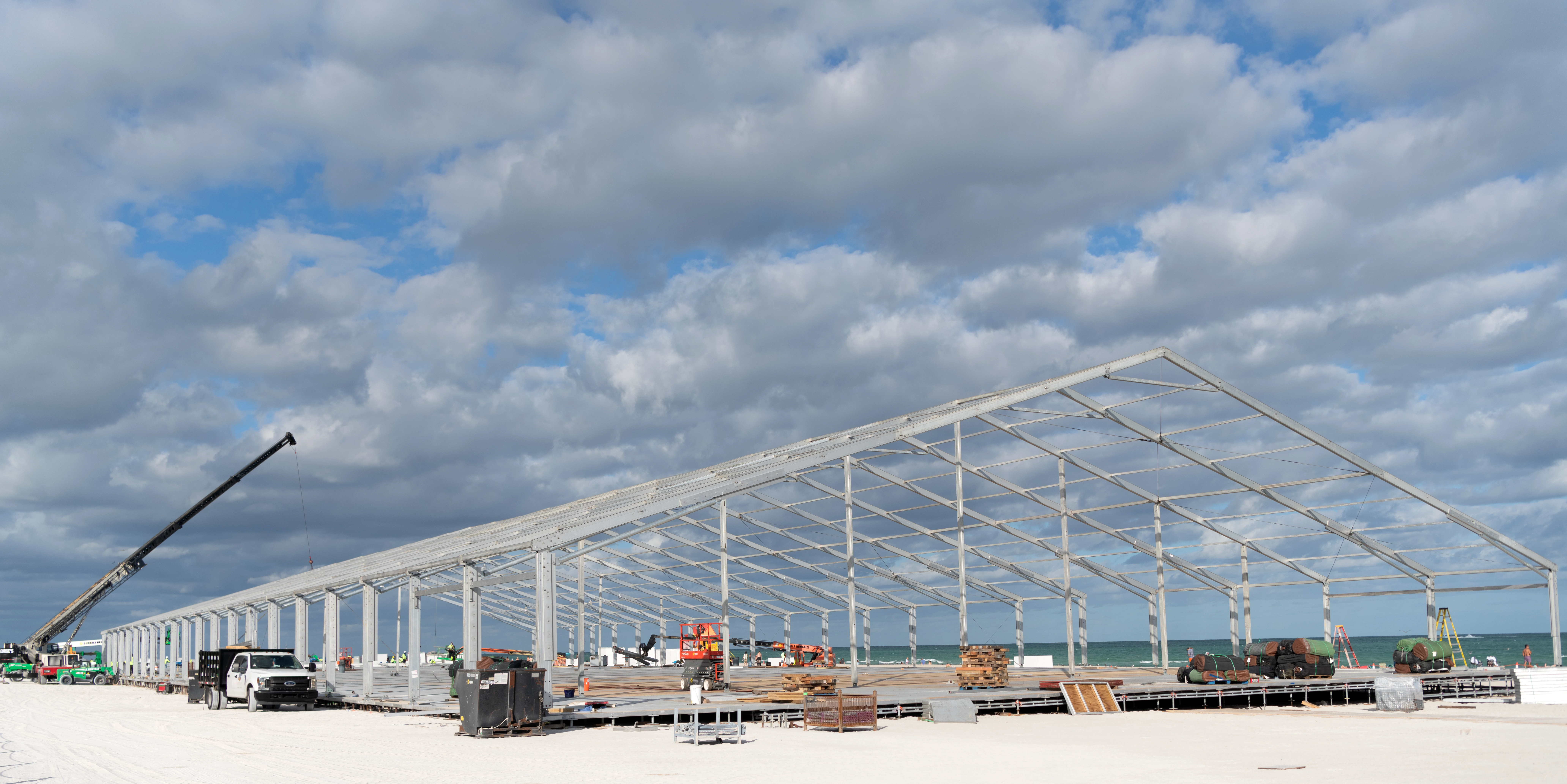

Manufacturing corporations do not build industrial sheds only for refuge. A manufacturing facility’s shed directly impacts how machines are positioned, how raw materials are handled and moved, how workers operate, how completed goods are made, and how manufacturing will be in the future.
That is why planning a PEB industrial shed must begin long before fabrication or erection.
Across Gujarat, many manufacturers are transitioning to pre-engineered steel buildings and PEB shed systems to achieve faster construction, better space utilization, and greater long-term flexibility. But even an excellent PEB device can fail to supply cost if the starting stage is susceptible.
Google’s cutting-edge guidance continues to emphasize beneficial, reliable, people-first content, particularly content that solves real people’s questions rather than being keyword-focused. Google also says its AI capabilities rely on Search’s middle rating and great structures, so content must remain beneficial, crawlable, and genuinely established for both customers and search engines.
This guide explains the realistic selections manufacturers should make before beginning business shed construction.
Many owners start by asking, “How much area do we need?” That is essential; however, it is not the first choice.
The better starting point is: how will production manifest in this shed?
A production shed should be planned across the actual operational float. Raw material access, device placement, worker motion, inspection areas, storage zones, packing, and dispatch should all be considered before finalizing the format.
A huge shed with a terrible workflow can still slow down production. On the other hand, a well-planned PEB shed can enhance daily workflow, reduce time spent handling, and better utilize available ground space.
This is why skilled business shed producers do not only talk about it in terms of square footage. They ask how the manufacturing unit will operate after production.
Height is one of the most vital factors in the planning of PEB commercial sheds.
A low-top shed may additionally reduce the initial project estimate. Still, it may create problems later if the manufacturing unit requires taller machinery, higher airflow, overhead movement, crane systems, or future mezzanine space.
For production devices, shed height should be planned around device length, operational temperature, fabric-handling characteristics, and capacity. In industries where devices generate heat or dust, extra planning for peak loads and ventilation becomes even more important.
Once the shape is constructed, changing the height will become difficult and high-priced. So this selection needs to be made carefully before final layout approval.
In any manufacturing facility, equipment drift affects operational efficiency. If raw materials move unnecessarily from one nook to another, the enterprise loses time every day. If people and material-managing equipment lack enough space to move, manufacturing slows.
PEB shed design needs to support the manufacturing process, consequently.
For example, a fabrication unit may want open motion round machines. A packaging unit might also want a smooth drift from processing to the garage. An engineering workshop may also require crane assistance and more space for motion. A warehouse-connected production unit may also require clean access between manufacturing and dispatch.
Column spacing, bay width, door placement, and inner motion areas ought to be planned according to the manufacturing workflow, not randomly.
This is where PEB structures offer strong flexibility. Compared to many traditional building formats, a well-designed PEB business shed can offer greater span planning and a larger usable internal area.
Ventilation is often underestimated during factory shed planning, yet it immediately affects employee comfort, system performance, temperature control, and workplace safety.
In Gujarat’s climate, poor airflow can make business sheds uncomfortable during long production hours. Heat buildup, dust concentration, and poor air circulation can affect productivity and operating conditions.
Good ventilation planning may encompass ridge ventilation, side openings, louvers, exhaust structures, rooftop planning, and natural light integration, depending on the industry type.
For manufacturing units, ventilation must not be brought as an overdue correction. It ought to be part of the authentic PEB shed structure.
Roofing is not only a masking system. It protects the entire manufacturing facility operation.
Poor roofing can cause leakage, heating problems, renovation issues, and production disruptions at some point during the monsoon. For industrial sheds, roofing selections must be made based on construction building size, roof slope, drainage, insulation needs, wind exposure, and long-term durability.
Cladding also affects climate safety, internal comfort, and overall construction performance. A low-nice roofing or cladding decision may save initially, but lead to higher maintenance costs later.
Manufacturers need to carefully evaluate roofing solutions for commercial buildings, as roofing performance directly affects day-to-day operations.
One of the most searched questions is to set the cost of industrial shed manufacturing in line with square feet. It is a beneficial starting point; however, it does not display the full picture.
The cost of a PEB business shed depends on a few factors: span, peak, steel design, load requirements, roofing system, ventilation, crane provision, mezzanine planning, site conditions, and fabrication exclusions.
Two sheds at the same location may have different charges due to their unique commercial uses. A primary garage shed will no longer require the same layout as a heavy-duty manufacturing shed. A crane-supported manufacturing facility shed could have a special shape than a light production unit.
Instead of focusing entirely on the bottom line consistent with rectangular-foot pricing, proprietors must examine whether the shed is properly designed for their operation. A less expensive shed that creates workflow issues, protection problems, or expansion barriers can end up costing more over the years.
Most manufacturing groups develop in levels. A manufacturing facility may begin with one production line and later add machinery, storage, packing, office, or loading areas.
If enlargement isn’t always deliberate throughout the primary degree, future modifications can turn out to be tough and expensive.
PEB commercial sheds are beneficial because they can be planned for destiny extension. Additional bays, connected sheds, mezzanine flooring, or increased garage areas may be considered during the preliminary design stage.
This is one of the biggest blessings of PEB structures for manufacturing gadgets. They allow organizations to build for today whilst making tomorrow’s growth feasible.
A PEB shed might also appear simple from the outside; however, its overall performance relies closely on fabrication accuracy.
If fabricated components are incorrect, the site group can also face alignment issues, erection delays, additional welding, and remodeling. This will increase timelines and influence structural reliability.
A reliable metal fabrication agency will focus on dimensional accuracy, connection detailing, weld quality, and quality checks before the material reaches the site.
For production sheds, where structural overall performance and timeline control are both crucial, fabrication quality should never be ignored.
Not every shed contractor is appropriate for manufacturing initiatives.
A production shed calls for knowledge of manufacturing float, equipment loads, air flow, roofing, protection, enlargement, fabrication, and erection sequencing. The contractor should be able to discuss sensible operational needs, not merely give a basic citation.
For organizations planning for industrial shed manufacturing in Ahmedabad or throughout Gujarat, working with a contractor who is familiar with PEB buildings, structural fabrication, warehouse planning, and turnkey industrial execution can reduce coordination gaps and enhance project outcomes.
RF Infra operates in the construction business, offering services including PEB metal homes, commercial shed production, warehouse construction, structural metal fabrication, and turnkey commercial EPC projects. The goal is to construct sheds that support actual manufacturing operations, not just complete a structure.
A PEB industrial shed is one of the most vital investments for a production business. It influences manufacturing velocity, workflow efficiency, storage, worker comfort, future expansion, and long-term protection.
Before production begins, owners should carefully plan the shed height, machinery drift, airflow, roofing, fabrication, cost, common sense, and future scalability.
The satisfactory business sheds are not just sturdy; they are sensible. They help the manufacturing facility operate more effectively every day.
For manufacturers in Ahmedabad and Gujarat, PEB industrial sheds offer a faster, flexible, and future-ready way to build industrial infrastructure. The smartest results come when the structure is planned around the business operation from the beginning.
Understanding the factory workflow is the most critical step. Structure design should follow operational flow, not just space requirements.
Height affects machinery usage, ventilation, storage capacity, and future expansion. Poor height planning limits operational flexibility.
Yes. PEB systems are modular and can be expanded with additional bays, mezzanine floors, and extended layouts.
Accurate fabrication ensures smooth erection, structural stability, and reduced delays during installation.
No. True evaluation should include design efficiency, structural load, usability, and lifecycle performance.
